What are the primary benefits of using superalloys in exhaust system parts?
High-Temperature Stability and Oxidation Resistance
Superalloys are indispensable in exhaust system parts due to their ability to maintain mechanical strength and surface integrity at extreme temperatures. Manufacturing processes such as vacuum investment casting and superalloy equiaxed crystal casting enable precise grain control and dimensional accuracy, allowing the components to withstand continuous exposure to hot combustion gases. Alloys like Inconel 738LC exhibit excellent oxidation resistance, ensuring longer operational life with minimal performance degradation.
Mechanical Strength and Fatigue Resistance
Exhaust parts endure cyclic thermal loading and vibration. Processes such as superalloy precision forging and the use of alloys like Rene 65 deliver superior durability and microstructural stability. These materials retain tensile strength even under repeated heating and cooling cycles, reducing the risk of creep deformation or premature failure. Post-processing methods like hot isostatic pressing (HIP) further enhance fatigue resistance by eliminating internal porosity.
Corrosion Resistance and Environmental Protection
Exhaust environments contain corrosive gases such as sulfur oxides and nitrogen compounds. Alloys like Hastelloy C-4 and Stellite 6B offer strong chemical resistance, making them suitable for harsh conditions found in oil and gas and marine applications. This minimizes maintenance requirements and preserves performance over long service periods.
Design Flexibility and Manufacturing Efficiency
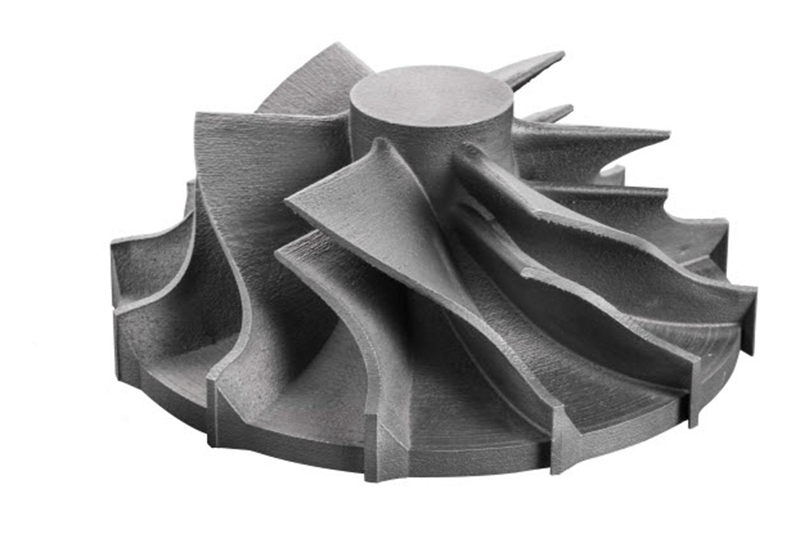
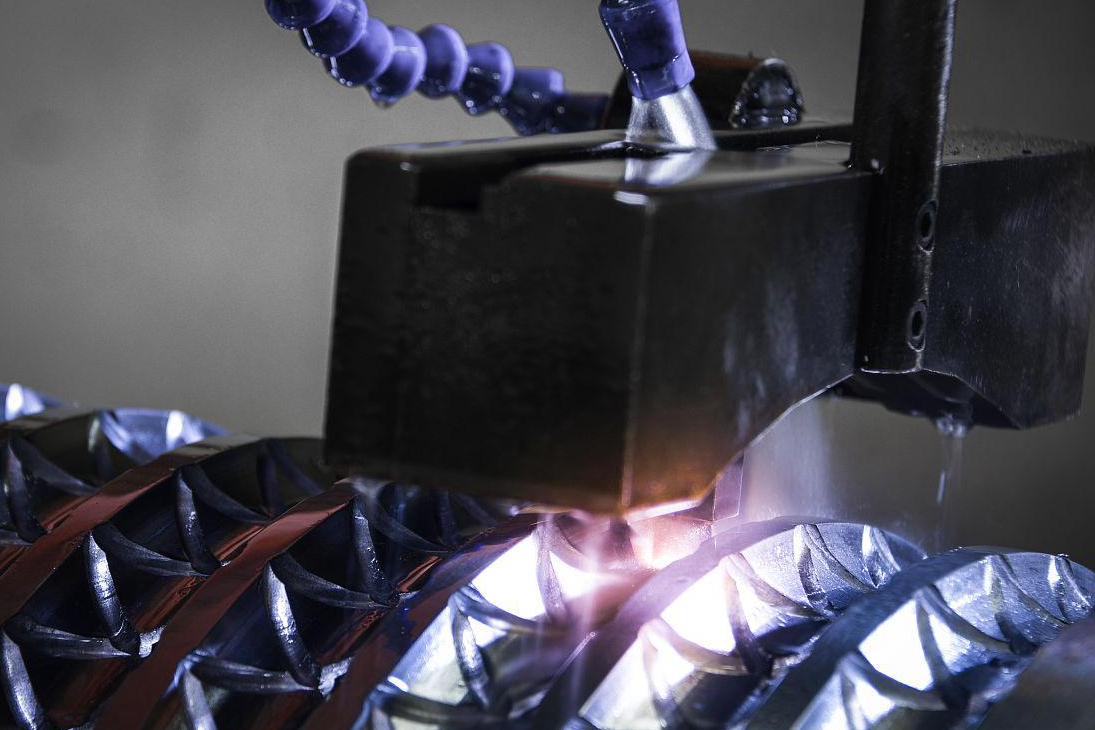
Modern applications benefit from advanced production methods like superalloy 3D printing, which enables lightweight structures and integrated cooling channels. Additional finishing using superalloy CNC machining ensures the final geometry meets strict tolerance requirements. These capabilities allow engineers to reduce weight while improving heat recovery and flow efficiency.
Industry Applications and Lifecycle Value
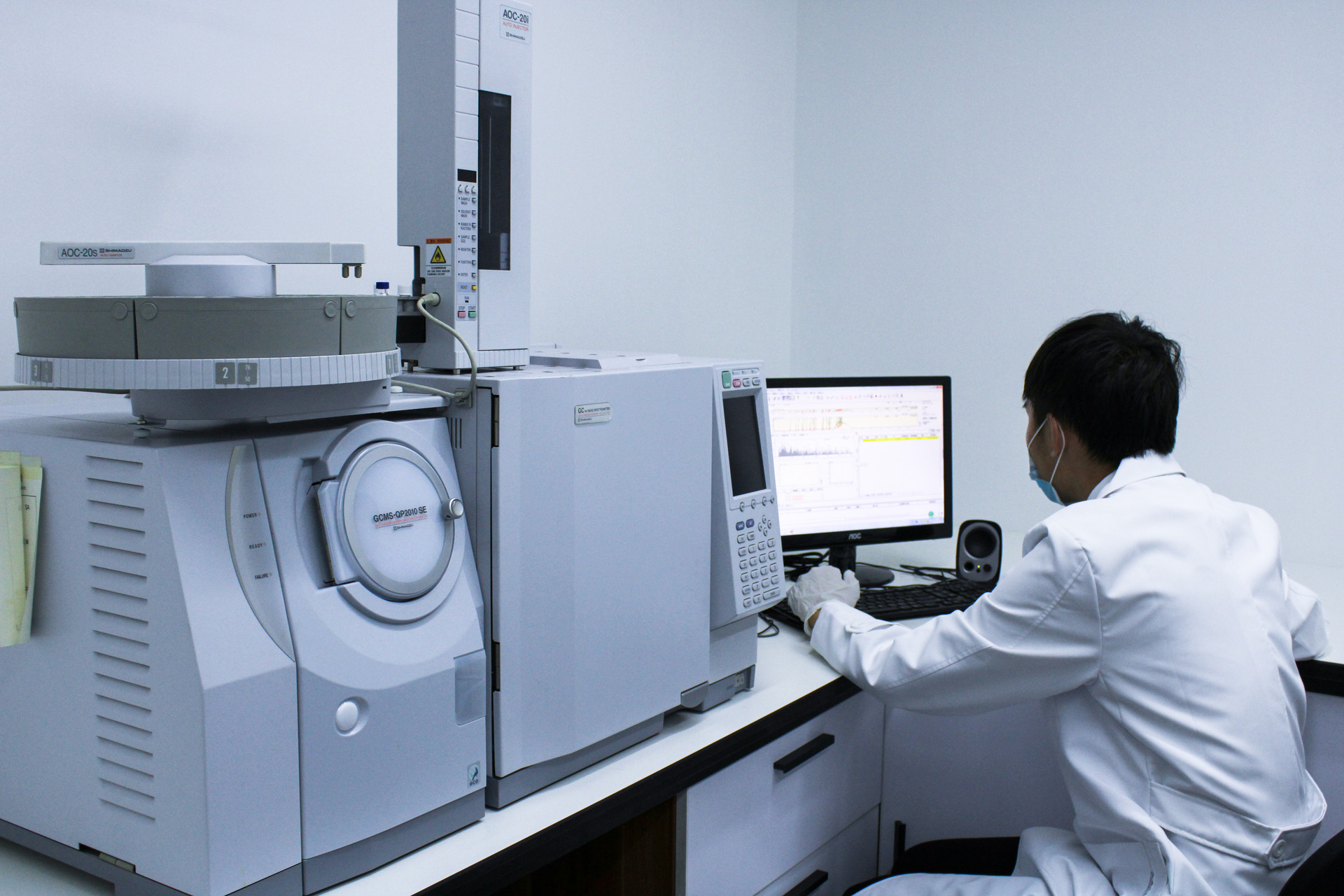
In high-stress sectors such as aerospace and aviation, automotive, and power generation, superalloys extend service life and improve energy efficiency. Their ability to retain structural integrity at elevated temperatures makes them ideal for thermal shielding, turbocharger components, and exhaust transition modules. Quality assurance is completed through material testing and analysis to verify microstructural consistency and reliability.