What are the key factors influencing the material selection for reactor vessel components?
Operating Environment and Performance Demands
Reactor vessel components operate under extreme pressure, radiation exposure, prolonged elevated temperatures, and corrosive coolant conditions. Therefore, material selection must prioritize thermal stability, creep resistance, corrosion protection, and long-term structural reliability. High-performance superalloys such as Inconel 690 and Hastelloy C-22 are widely used due to their excellent resistance to stress corrosion cracking and oxidation at high temperatures within nuclear environments.
Material requirements must be validated through rigorous thermodynamic simulation and physical testing. Qualification often includes tensile strength mapping, creep rupture analysis, irradiation resistance, and stress corrosion aging studies. All performance parameters are assessed against strict nuclear safety regulations.
Manufacturing Process and Microstructure Control
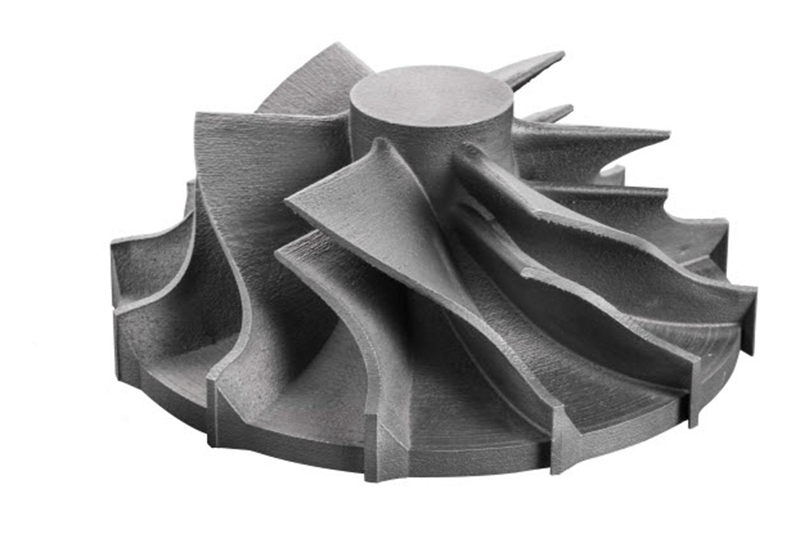
Producing reactor vessel components requires grain uniformity and high structural integrity. Advanced techniques such as vacuum investment casting and equiaxed crystal casting enable controlled solidification and microstructure refinement. For critical stress-bearing sections, precision forging provides directional grain flow and improved fatigue life.
Material selection must also consider economic feasibility and processing difficulty. For alloys with limited workability, secondary processes like hot isostatic pressing (HIP) are essential to eliminate porosity and enhance durability across radiation and corrosion exposure cycles.
Post-Processing and Service Life Management
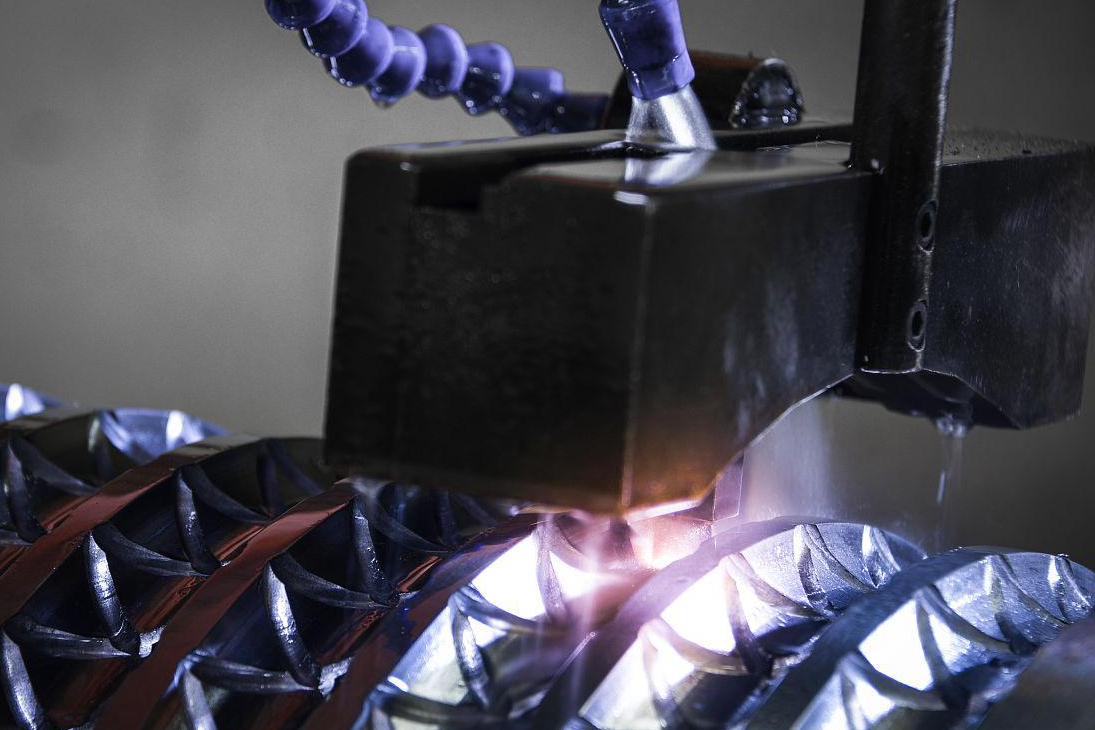
Thermal treatment and microstructure stabilization are key to achieving long-term performance. Controlled superalloy heat treatment is used to enhance creep strength and resistance to thermal aging. Surface enhancement techniques such as thermal barrier coating (TBC) help reduce oxidation and hot corrosion on outer vessel layers.
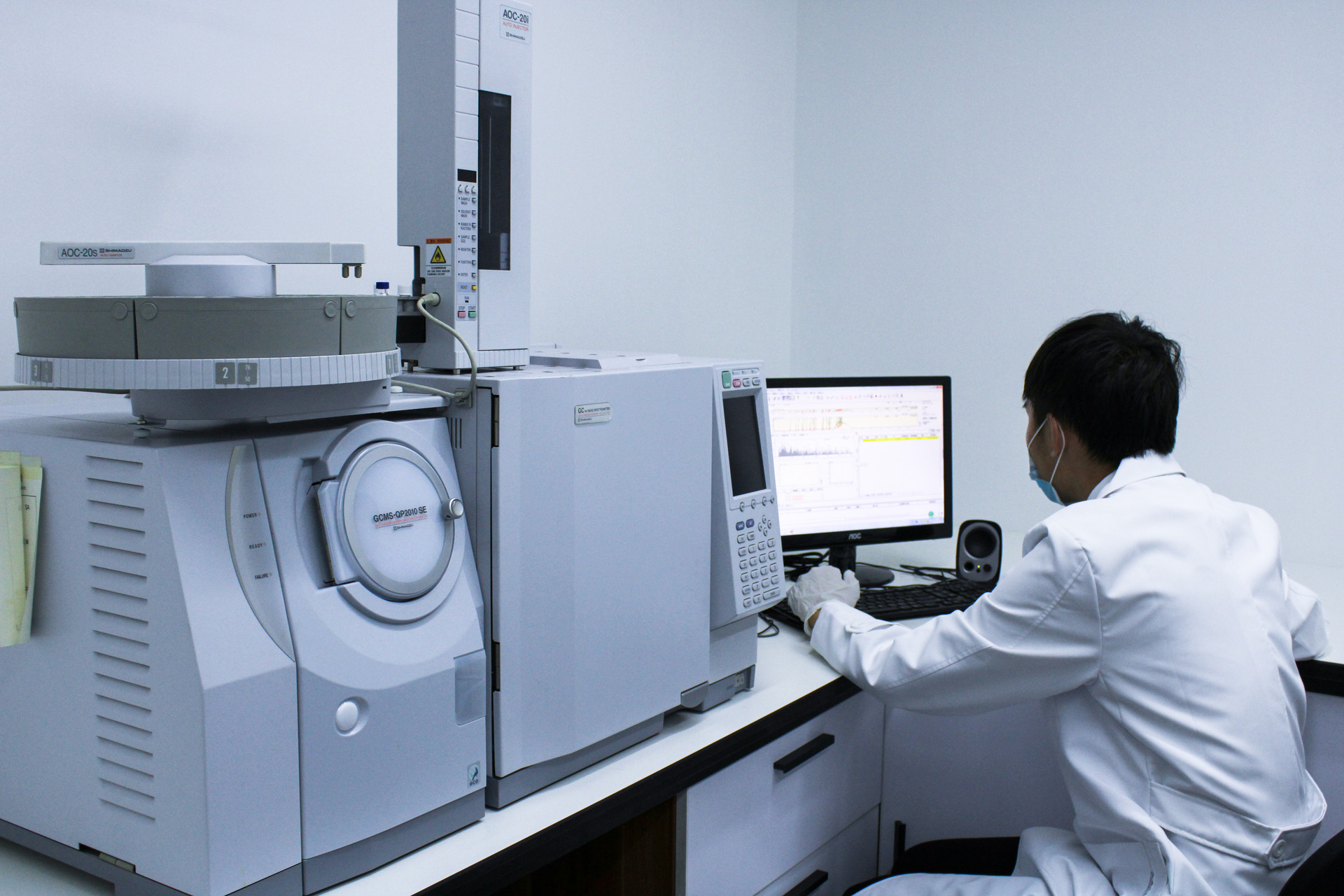
Before qualification, advanced inspection and material testing and analysis are required to verify the material’s suitability against nuclear standards. These tests include non-destructive evaluation, ultrasonic grain mapping, and radiation aging simulation to ensure reliability throughout a long operational lifecycle.
Nuclear Safety Standards and Certification
Materials must comply with stringent standards regarding fracture toughness, irradiation resistance, and failure prediction. Nuclear safety authorities enforce strict traceability and documentation—from melting batch to post-processing history. Design margins are intentionally conservative, and certain high-grade alloys like nuclear-grade superalloys require multiple-stage approval prior to implementation.
Material selection is not based solely on property comparison—it involves lifecycle cost analysis, inspection intervals, and compatibility with reactor coolant chemistry. Ultimately, the chosen alloy must provide predictable performance under decades of operation while allowing safe monitoring and maintenance protocols.