What are the advantages of using superalloys in reactor vessel components?
Thermal Stability and Creep Resistance
Reactor vessel components must operate continuously under high pressure and elevated temperatures. Superalloys offer exceptional thermal stability and resistance to creep deformation, making them ideal for structures subjected to prolonged stress. Nickel-based alloys, such as Inconel 718 and corrosion-resistant grades like Hastelloy B-3, retain their mechanical strength even after prolonged thermal exposure in reactor environments. Their stable γ′ and γ″ precipitation phases prevent microstructural degradation and maintain dimensional integrity across decades of service.
Corrosion Protection and Environmental Resistance
Reactor vessels are subjected to high-pressure coolant flows containing chemically aggressive species. Superalloys with high chromium and molybdenum content offer robust protection against stress corrosion cracking and localized pitting. Alloys specifically engineered for nuclear environments, such as Inconel 690, display excellent resistance to boiling-water reactor conditions. In extreme scenarios, additional protection may be applied using thermal barrier coating (TBC) to reduce oxidation and heat-induced fatigue.
Fabrication Flexibility and Processing Capabilities
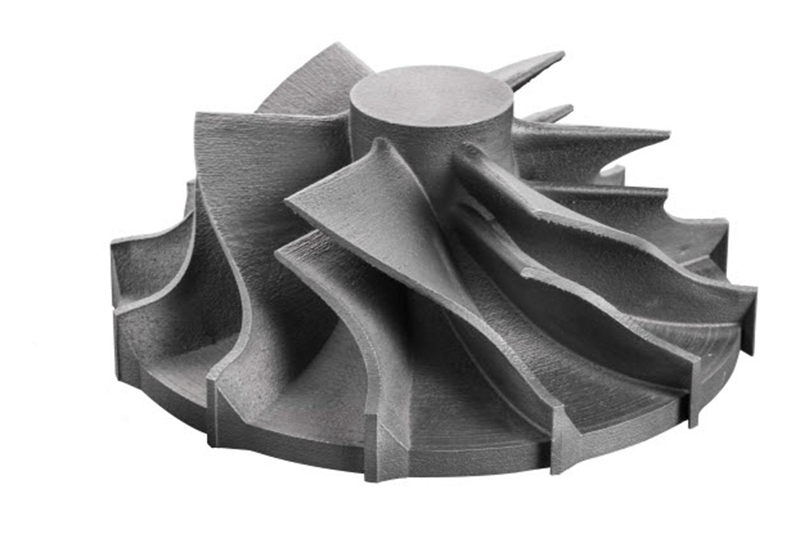
The complex geometry of vessel internals and coolant flow structures requires advanced manufacturing techniques. Superalloys can be shaped using vacuum investment casting, precision forging, or powder-based routes, such as powder metallurgy, to achieve an optimal grain structure and mechanical uniformity. These methods allow the production of components with tight dimensional control, high fatigue life, and reduced porosity.
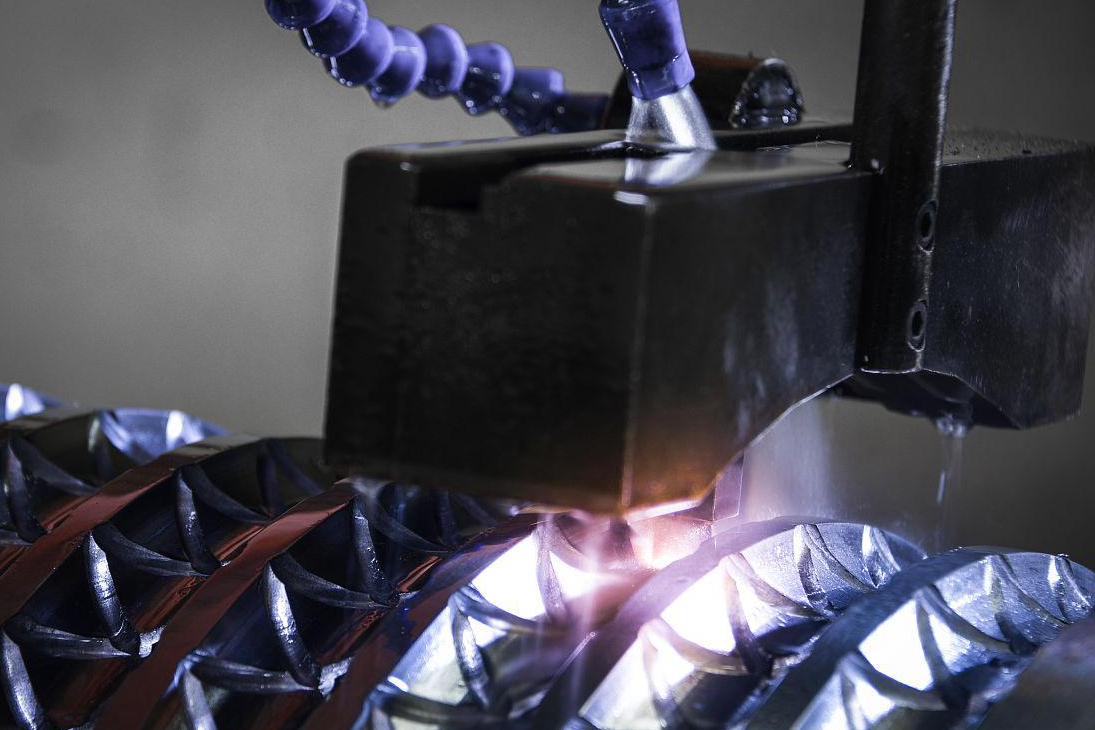
For final customization and machining of critical surfaces, multi-axis CNC machining ensures precision fits and smooth surface finishes, enabling compatibility with sealing systems, monitoring interfaces, and structural joints.
Long-Term Performance and Nuclear Reliability
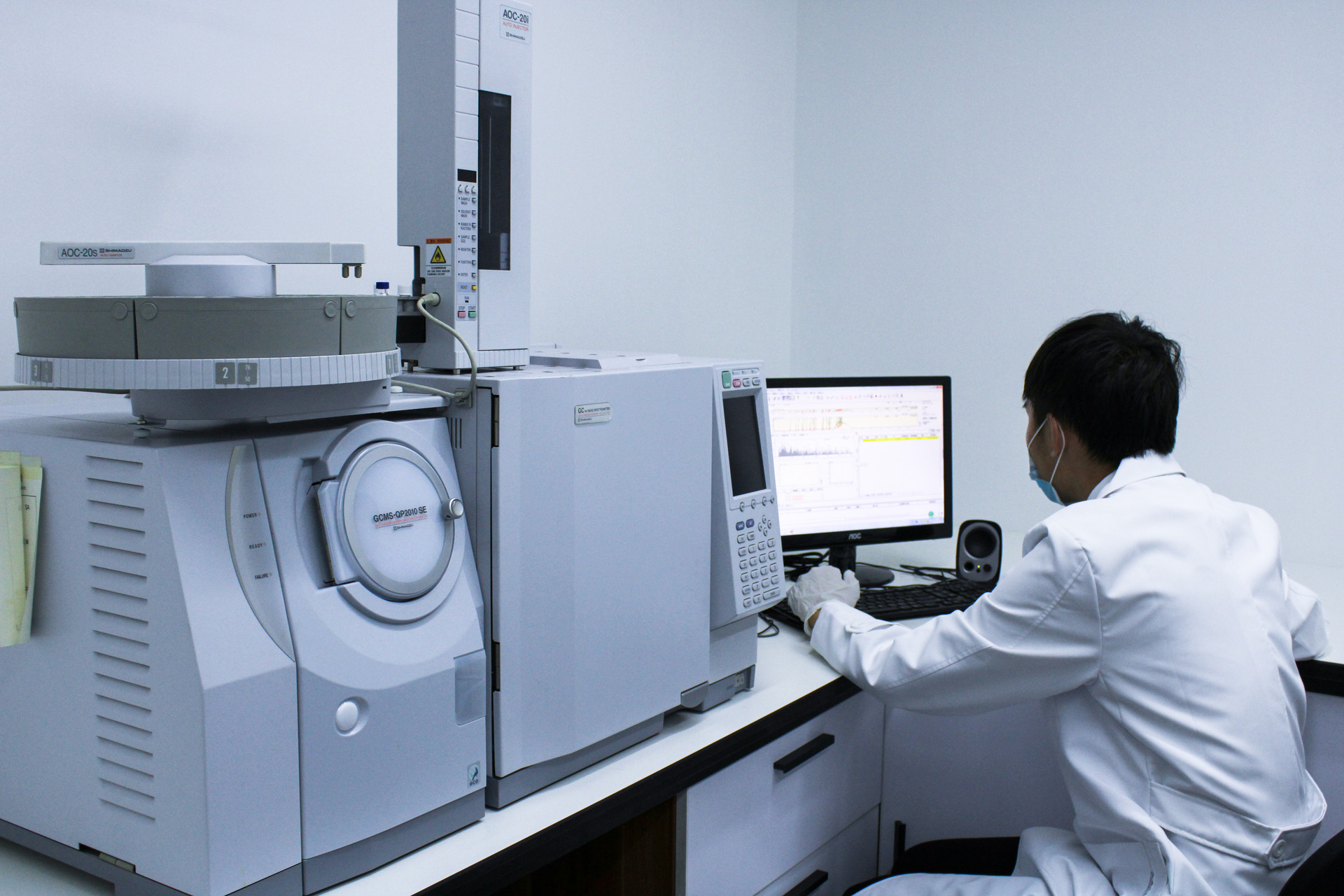
Superalloys provide predictable performance throughout decades of reactor operation. Post-treatment processes such as hot isostatic pressing (HIP) and material testing and analysis ensure structural stability and defect-free integrity. When paired with stringent nuclear certification requirements and strict traceability, superalloys offer an ideal balance of safety, durability, and economic lifecycle viability for nuclear-grade components.