
Chemical Processing Monel Pump Components Vacuum Investment Casting
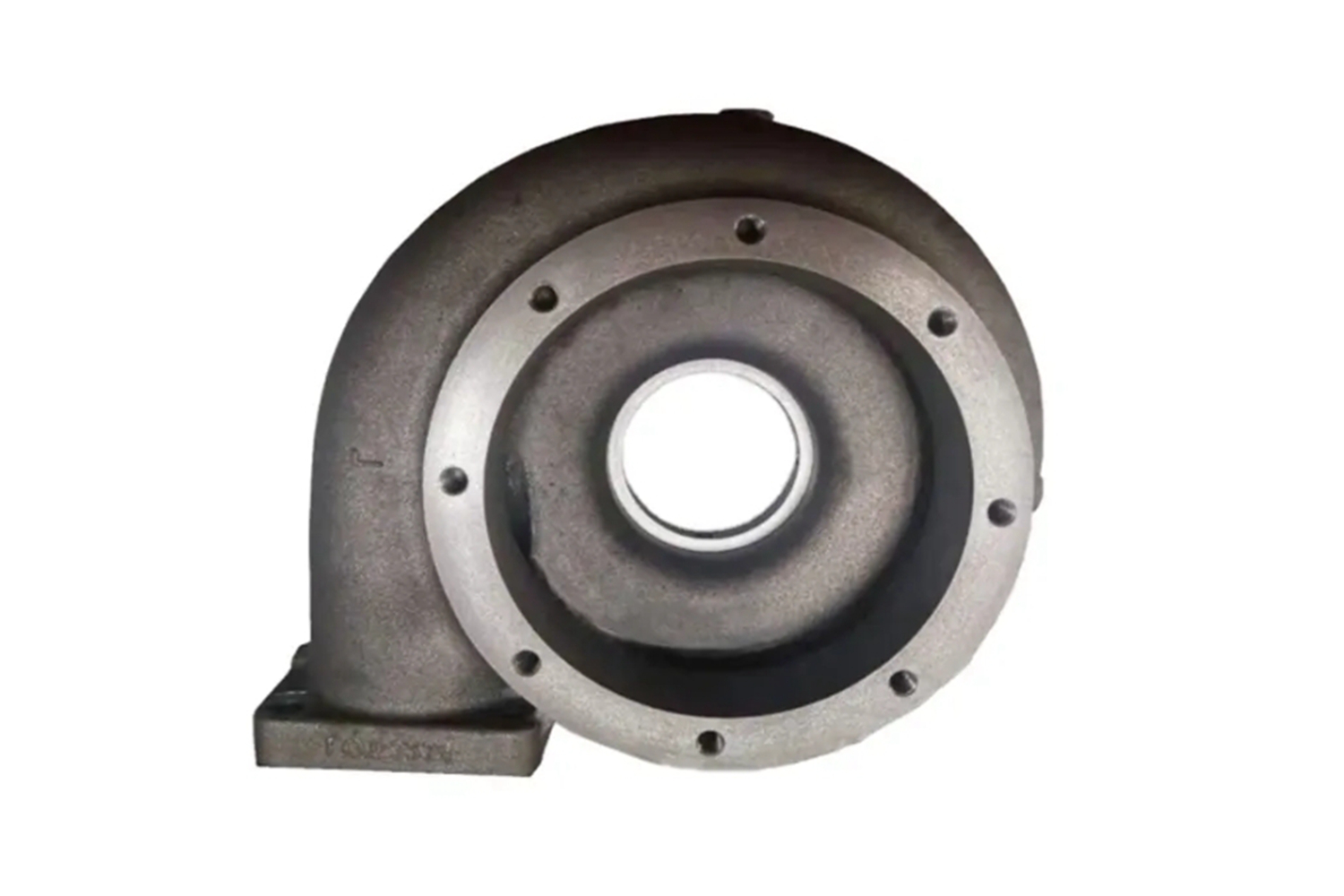
Monel pump components are used in chemical processing systems where corrosion resistance, pressure stability, dimensional accuracy, and long service life are required. Pumps used for acidic, alkaline, seawater, brine, hydrocarbon, and chemical fluid environments often require materials that can resist corrosion better than ordinary stainless steel.
Vacuum investment casting is a practical manufacturing route for complex Monel pump components such as impellers, pump housings, diffuser parts, valve bodies, flow passages, wear-resistant inserts, and corrosion-resistant structural parts. It allows near-net-shape casting of complex geometries, reducing machining waste and supporting repeatable production for custom pump assemblies.
At NewayAeroTech, Monel alloy vacuum investment casting can be combined with CNC machining, heat treatment, surface finishing, and material testing to support chemical processing pump component manufacturing.
Why Monel Is Used for Chemical Processing Pump Components
Monel alloys are nickel-copper alloys known for corrosion resistance in harsh chemical and marine environments. For chemical processing pumps, the material must resist fluid attack while maintaining mechanical strength, sealing stability, and dimensional accuracy.
Monel pump components are commonly considered when the application involves:
Corrosive chemical fluids
Seawater, brine, or chloride-containing media
Acidic or alkaline processing environments
Hydrocarbon processing and refinery equipment
High-value pump assemblies requiring longer maintenance intervals
Replacement parts for corrosion-damaged pump components
Compared with general stainless steels, Monel may provide better corrosion resistance in specific fluid environments. However, material selection should always be confirmed according to the actual chemical medium, concentration, operating temperature, pressure, flow speed, and service life requirement.
Typical Monel Pump Components Made by Investment Casting
Chemical processing pumps include multiple components exposed to corrosive fluids, mechanical load, pressure, and flow erosion. Investment casting is suitable when the part has complex geometry, curved flow passages, thin sections, bosses, ribs, or near-net-shape requirements.
Typical Monel pump components may include:
Pump impellers
Diffusers and guide vanes
Pump housings and casing components
Valve bodies and flow control parts
Wear rings and corrosion-resistant inserts
Nozzle, inlet, and outlet connection parts
Custom flow-path components for chemical processing equipment
For these components, the casting route must consider fluid flow, sealing surfaces, machining allowance, corrosion exposure, and inspection requirements together.
Why Vacuum Investment Casting Fits Monel Pump Parts
Vacuum investment casting is useful for Monel pump components because it can form complex near-net-shape geometry with less material waste than full CNC machining from solid stock. This is especially valuable for impellers, housings, and internal flow parts where curved surfaces and internal passages are difficult to machine efficiently.
Vacuum Investment Castings can support complex pump component geometry while maintaining casting consistency. For corrosion-resistant nickel alloy components, casting quality must be controlled carefully because defects, inclusions, shrinkage, or surface discontinuities may affect service performance.
Investment casting can also reduce machining time by forming the main part shape during casting, then using CNC machining only for critical surfaces such as sealing faces, bearing interfaces, flange areas, thread features, and mounting datums.
Monel vs Stainless Steel for Chemical Pump Components
Stainless steel is widely used for industrial pump parts because it is available, machinable, and corrosion resistant in many environments. However, chemical processing applications may involve aggressive media where standard stainless steels are not sufficient.
Monel may be selected when the pump part requires stronger resistance to seawater, brine, certain acids, alkaline environments, or chloride-containing fluids. The correct choice depends on the actual service condition.
Material Option | Typical Strength | Consideration for Pump Parts |
|---|---|---|
Stainless Steel | Good general corrosion resistance and availability | Suitable for many pump applications but may be limited in aggressive chemical media |
Monel Alloy | Strong corrosion resistance in specific chemical and marine environments | Suitable for selected pump components exposed to corrosive fluids |
Hastelloy Alloy | Excellent corrosion resistance in severe chemical processing environments | May be reviewed when Monel is not sufficient for the chemical medium |
For more severe chemical environments, Hastelloy alloy may also be considered. Material selection should be based on corrosion data, operating temperature, pressure, fluid velocity, and customer service requirements.
Casting Design Considerations for Monel Pump Components
Monel pump components should be reviewed for casting feasibility before tooling begins. The part geometry, wall thickness, transition areas, internal flow passages, and machining allowance all affect casting quality and cost.
Important casting design points include:
Wall thickness uniformity to reduce shrinkage and hot spot risk
Generous transition radii to improve metal flow and reduce stress concentration
Machining allowance on sealing surfaces, flange faces, and bearing interfaces
Draft and tooling feasibility for wax pattern production
Control of internal passages and flow-path surfaces
Inspection access for critical areas
For pump impellers, special attention should be given to blade geometry, hub structure, balance requirement, and flow surface quality. For pump housings, sealing faces, threaded areas, and pressure-containing sections should be reviewed carefully.
CNC Machining After Monel Investment Casting
Investment casting produces the near-net-shape pump component, but CNC machining is still required for functional accuracy. Pump components often include sealing faces, shaft bores, mounting holes, threads, bearing areas, flange faces, and gasket surfaces that require better dimensional control than casting alone can provide.
Superalloy CNC Machining supports post-casting finishing for nickel-based and high-performance alloy components. For Monel pump parts, machining should be planned according to the final assembly requirement, corrosion exposure, and sealing function.
Typical CNC-machined features include:
Shaft bores and bearing interfaces
Flange faces and mounting surfaces
Sealing faces and gasket contact areas
Threaded holes and connection features
Impeller hub and balance-related surfaces
Datum surfaces for inspection and assembly
Surface Control for Corrosion-Resistant Pump Parts
Surface condition is important for pump components because corrosion, erosion, sealing performance, and fluid flow can all be affected by roughness, defects, sharp edges, or contamination. Cast surfaces, machined surfaces, and flow-path surfaces may require different levels of finishing depending on the application.
Surface control may include:
Removing casting residues and surface contamination
Machining critical sealing and assembly surfaces
Deburring holes, edges, and flow-path transitions
Polishing selected fluid-contact surfaces when required
Passivation or cleaning according to customer requirements
Visual inspection for cracks, pits, inclusions, or surface defects
For rotating pump components such as impellers, surface quality and balance requirements should be confirmed during the RFQ stage. Poor surface control can affect pump efficiency, vibration, wear, and service life.
Quality Control for Monel Pump Castings
Quality control for Monel pump components should verify material chemistry, casting soundness, machining accuracy, surface condition, and final documentation. For chemical processing applications, material traceability and corrosion-related suitability are especially important.
Superalloy Material Testing and Analysis can support chemical composition verification, defect analysis, dimensional inspection, and quality documentation for custom alloy components.
Inspection Item | What to Check | Why It Matters |
|---|---|---|
Material verification | Monel grade, chemical composition, material certificate | Confirms corrosion-resistant alloy compliance |
Casting inspection | Shrinkage, porosity, cracks, inclusions, surface defects | Supports pressure integrity and service reliability |
Dimensional inspection | Bores, sealing faces, mounting features, flow-path geometry | Ensures correct assembly and pump function |
Surface inspection | Cracks, pits, burrs, casting residues, roughness if specified | Reduces corrosion, leakage, and flow performance risk |
Final documentation | Inspection report, material certificate, COC, customer-specific records | Supports customer acceptance and traceability |
Applications in Chemical Processing Equipment
Monel vacuum investment casting is suitable for custom pump and flow-control components used in chemical processing equipment. These parts may be used in pumps, valves, flow systems, separators, marine chemical systems, and corrosion-resistant industrial assemblies.
NewayAeroTech supports alloy manufacturing for Chemical Processing applications where corrosion resistance, material traceability, process stability, and custom component manufacturing are required.
Typical application requirements may include:
Resistance to corrosive fluids and process chemicals
Dimensional accuracy for sealing and assembly
Stable casting quality for pressure-related components
Custom geometry for replacement or upgraded pump parts
Material certification and inspection documentation
RFQ Checklist for Monel Pump Component Casting
To quote Monel pump components accurately, customers should provide both technical drawings and service condition information. The chemical medium and pump operating environment are important because they determine whether Monel is the correct material choice.
A complete RFQ should include:
Part name, pump model, part number, and revision level
3D CAD model and 2D drawing with tolerances
Required Monel grade or acceptable equivalent material
Chemical medium, concentration, operating temperature, and pressure
Fluid velocity, abrasive content, or erosion risk if applicable
Required quantity for prototype, replacement, or production batch
Machined surfaces, sealing areas, bores, threads, and critical interfaces
Surface finish, polishing, cleaning, or passivation requirements
Inspection requirements such as material certificate, CMM, FPI, X-ray, pressure test, or COC
Delivery schedule and documentation requirements
If the project is based on a worn pump component, the customer should provide the old part, photos of corrosion or wear areas, service history, and reverse engineering requirements. This helps the supplier evaluate whether the original design, material, or surface finish should be adjusted.
Conclusion
Monel pump components are used in chemical processing applications where corrosion resistance, dimensional accuracy, and long-term reliability are required. Vacuum investment casting is a suitable route for complex pump parts such as impellers, housings, diffusers, valve bodies, and custom flow-path components because it supports near-net-shape geometry and reduces unnecessary machining waste.
For chemical pump applications, material selection should be based on the actual fluid medium, temperature, pressure, flow condition, and corrosion risk. Monel may offer advantages over ordinary stainless steel in selected corrosive environments, while Hastelloy and other corrosion-resistant alloys may be reviewed for more severe service conditions.
NewayAeroTech supports Monel vacuum investment casting, CNC machining, surface control, and material testing for custom chemical processing pump components. Please provide the pump model, part drawing, 3D model, required Monel grade, chemical medium, operating condition, quantity, inspection requirements, and delivery schedule for engineering review.
