Quality Control for Superalloys: Achieving Reliable Production with Direct Reading Spectrometer
Quality control for superalloys requires more than visual inspection and dimensional measurement. In aerospace, gas turbine, power generation, chemical processing, and high-temperature industrial applications, the actual chemical composition of the alloy directly affects casting behavior, heat treatment response, CNC machining stability, EDM performance, oxidation resistance, corrosion resistance, and service reliability.
A direct reading spectrometer helps manufacturers verify alloy grade, detect abnormal chemistry, check impurity levels, and maintain batch-to-batch consistency during superalloy production. For custom parts made from Inconel, Hastelloy, Nimonic, Rene alloys, Stellite, and other high-temperature alloys, spectrometer testing is a practical way to reduce material mix-up risk before expensive processing begins.
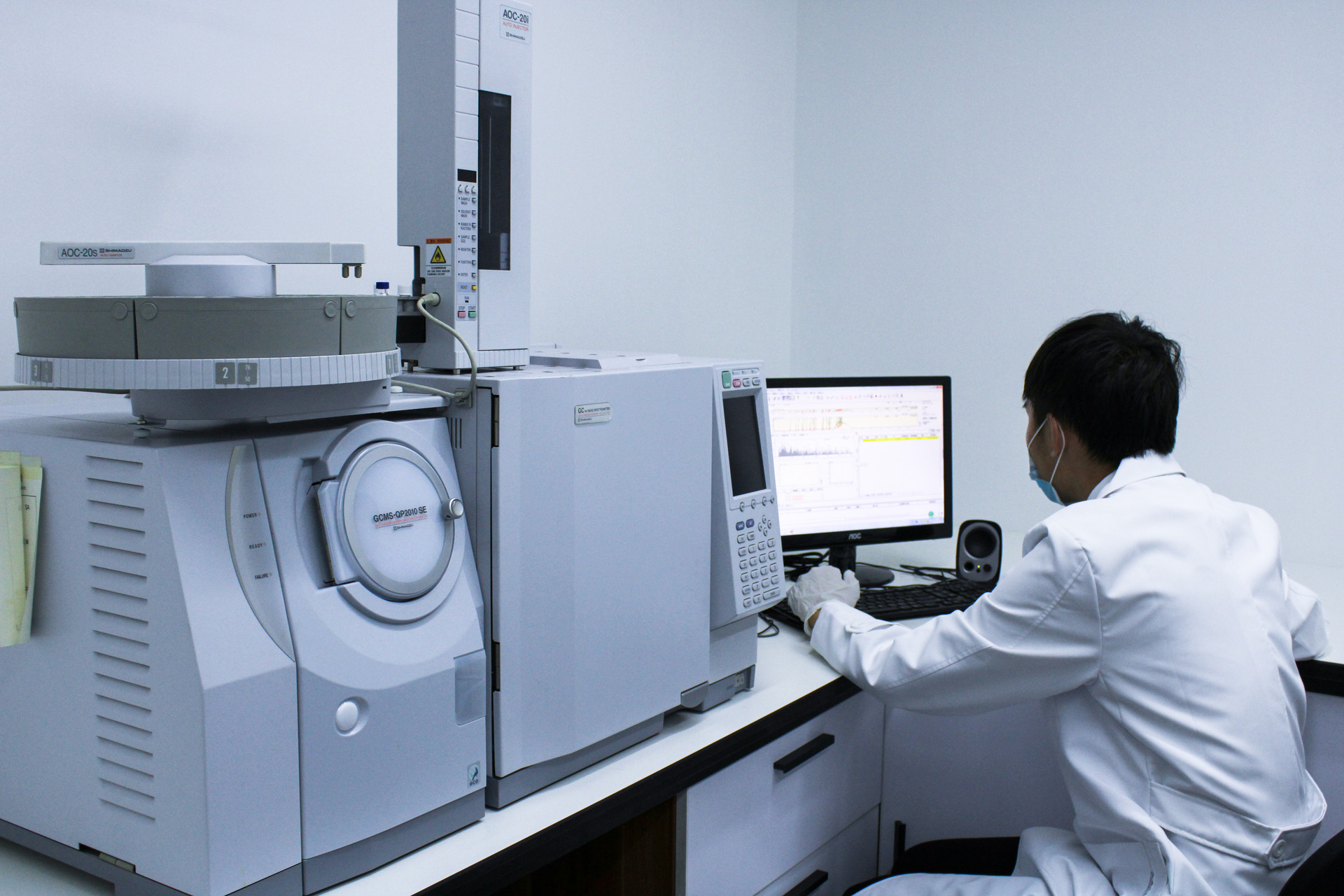
At NewayAeroTech, direct reading spectrometer testing is part of our Superalloy Material Testing and Analysis workflow. It supports material verification, process control, inspection reporting, and traceability for custom cast, machined, EDM processed, heat-treated, and coated superalloy components.
Why Superalloy Quality Control Starts with Chemical Composition
Superalloys are designed around carefully controlled chemistry. Elements such as nickel, chromium, cobalt, molybdenum, tungsten, aluminum, titanium, niobium, iron, and carbon are not random additions. They define the alloy’s high-temperature strength, oxidation resistance, corrosion performance, precipitation behavior, casting quality, and long-term thermal stability.
If the chemistry is outside the required range, the part may still look correct after casting or machining, but its performance may be unreliable. A wrong alloy grade or abnormal impurity level can affect the complete manufacturing route and may lead to rejection after significant cost has already been invested.
For Superalloys, chemical composition control is especially important because many grades are visually similar but perform very differently in hot-section service.
What a Direct Reading Spectrometer Does in Superalloy Production
A direct reading spectrometer is used to analyze the chemical composition of metallic materials. It tests a prepared metal surface and identifies the content of key elements so the result can be compared with the required material specification.
In superalloy production, direct reading spectrometer testing can help confirm:
Whether the incoming raw material matches the required alloy grade
Whether the cast blank chemistry remains within the required composition range
Whether similar-looking alloy batches have been mixed
Whether impurity elements are within acceptable limits
Whether the part can proceed to heat treatment, machining, EDM, or coating
Whether the final documentation can support customer quality review
This makes spectrometer testing a useful production control tool, not only a final inspection method.
Where Direct Reading Spectrometer Testing Is Used
Direct reading spectrometer testing can be applied at several stages of the manufacturing route. The exact timing depends on the part criticality, customer specification, production batch size, and inspection requirements.
Production Stage | Quality Control Purpose | Production Benefit |
|---|---|---|
Incoming material | Confirm alloy grade before production | Prevents wrong material from entering the workflow |
Before casting | Check charge material or melt chemistry | Improves casting batch consistency |
After casting | Verify cast blank chemistry | Reduces risk before machining, EDM, and heat treatment |
Before heat treatment | Confirm the alloy grade matches the thermal process | Helps avoid incorrect heat treatment cycles |
Before delivery | Support chemical composition reporting and traceability | Improves customer confidence and acceptance review |
Supporting Vacuum Casting Quality
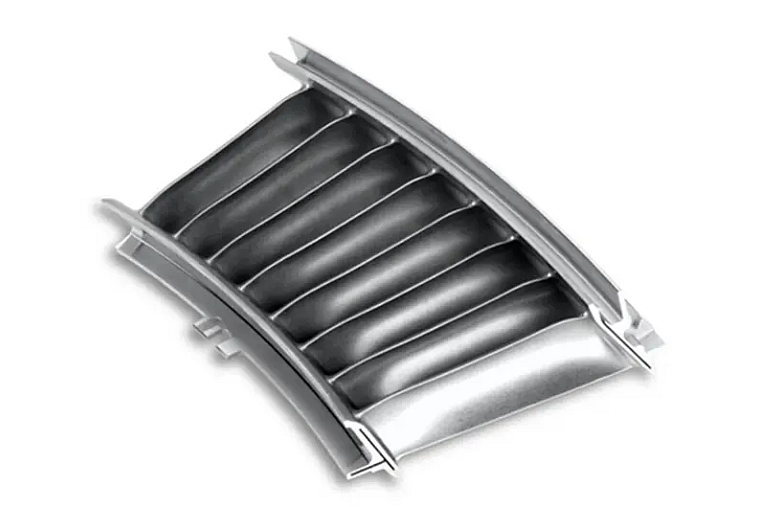
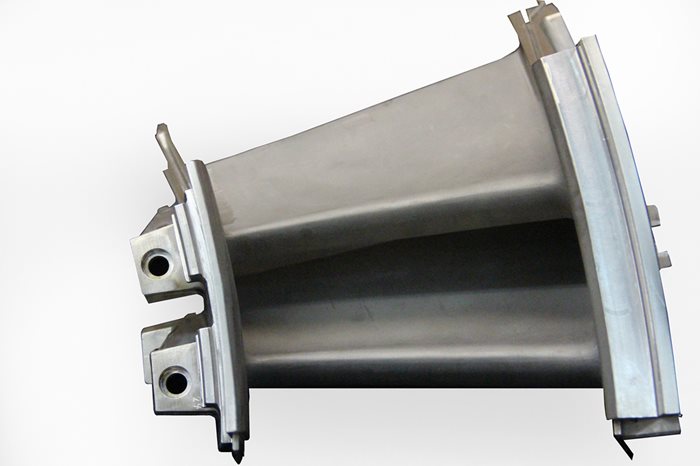
Vacuum casting is widely used for turbine vanes, nozzle guide vanes, heat shields, blades, shrouds, combustion components, and other complex superalloy parts. In these components, chemical composition affects melt behavior, solidification, shrinkage tendency, hot cracking risk, grain structure, and final mechanical performance.
For Vacuum Investment Castings, direct reading spectrometer testing helps verify that the correct alloy enters the casting process. This is especially important when multiple nickel-based, cobalt-based, or corrosion-resistant alloys are handled in the same production environment.
If the wrong alloy is cast, the issue may not be discovered until after heat treatment, CNC machining, EDM, or final inspection. Early chemical analysis helps reduce this risk and supports more reliable production planning.
Importance for Inconel, Hastelloy, Nimonic, Rene, and Stellite Alloys
Different superalloy families have different chemistry requirements. Direct reading spectrometer testing helps verify that the selected material is suitable for the customer’s application and manufacturing route.
For Inconel alloy parts, chemical verification helps confirm important elements such as nickel, chromium, iron, niobium, molybdenum, aluminum, and titanium. This is important for components such as Inconel 713LC nozzle guide vanes, Inconel 738LC heat shields, and other hot-section parts.
For Hastelloy alloy parts, chemical analysis supports corrosion resistance and high-temperature chemical stability by verifying key elements such as nickel, molybdenum, chromium, iron, and cobalt, depending on the grade.
For Nimonic alloy and Rene Alloys, composition control supports high-temperature strength, heat treatment response, and turbine hot-section performance. For cobalt-based materials such as Stellite alloy, spectrometer testing helps verify cobalt, chromium, tungsten, carbon, and other elements related to wear resistance, hot corrosion resistance, and high-temperature durability.
Improving Heat Treatment Reliability
Superalloy heat treatment depends heavily on alloy chemistry. Precipitation strengthening, carbide formation, stress relief, hardness, dimensional stability, and microstructure all depend on the actual material composition.
Superalloy Heat Treatment should be supported by alloy grade verification before thermal processing. If the alloy grade is wrong, the heat treatment cycle may not produce the expected mechanical properties or microstructure.
For example, nickel-based casting superalloys and wrought nickel alloys may look similar after machining, but their heat treatment requirements can be different. Direct reading spectrometer testing helps confirm the material before irreversible thermal processing begins.
Reducing Risk Before CNC Machining and EDM
CNC machining and EDM of superalloys are costly because high-temperature alloys are difficult to process. They often have high strength, poor thermal conductivity, work-hardening behavior, and strong tool wear. If the material grade is wrong, machining parameters may become unstable and scrap cost can increase.
For Superalloy CNC Machining, alloy verification helps engineers select cutting tools, speeds, feeds, fixtures, and inspection plans. This is valuable for high-cost turbine and aerospace parts where material loss and processing time are significant.
For Superalloy Electrical Discharge Machining EDM, material chemistry can influence discharge stability, recast layer behavior, edge condition, and post-EDM cleaning requirements. Confirming the correct alloy before EDM helps reduce process uncertainty.
Preventing Material Mix-Up in Production
Material mix-up is a major risk in superalloy manufacturing because many alloy grades look similar after cutting, casting, blasting, heat treatment, or machining. A wrong material may not be obvious during visual inspection, especially when parts are small or batch quantities are high.
Direct reading spectrometer testing helps prevent mix-up by adding a technical verification step. When combined with heat number control, batch records, part marking, traveler documents, and final reports, spectrometer testing supports a stronger quality control system.
This is especially important for Aerospace and Aviation components, where material consistency and traceability are essential for hot-section reliability and customer approval.
Direct Reading Spectrometer in Production Consistency Control
Reliable superalloy production requires consistency from one batch to the next. Direct reading spectrometer testing helps confirm that different batches follow the required alloy chemistry and remain within the customer’s specification.
This is useful for:
Repeated production of turbine vanes, heat shields, shrouds, and nozzle parts
Replacement gas turbine parts made from customer drawings or reverse engineering data
Small-batch aerospace components requiring material traceability
Cast and machined superalloy parts requiring consistent heat treatment response
Supplier qualification projects where customers compare batch-to-batch reliability
For customers, production consistency means fewer surprises during incoming inspection, assembly, engine testing, and maintenance review.
Limitations of Direct Reading Spectrometer Testing
Direct reading spectrometer testing is important, but it does not replace every inspection method. It verifies chemical composition, but it does not directly measure mechanical strength, creep life, internal porosity, surface cracks, dimensional accuracy, or coating adhesion.
Typical limitations include:
Surface preparation and calibration affect test accuracy
Small or curved parts may require a suitable test area or sample coupon
Some ultra-low-level elements may require additional laboratory methods
Chemical analysis does not replace FPI, X-ray, CT, CMM, or mechanical testing
Testing frequency must follow the drawing, material standard, and customer quality requirement
For critical components, spectrometer testing should be used together with other inspection methods to build a complete quality control plan.
Quality Documentation and Traceability
For custom superalloy components, customers often require documentation that proves the part was made from the correct material and inspected according to the required standard. Direct reading spectrometer results can support this traceability package.
A typical quality documentation package may include:
Material grade and standard reference
Heat number or batch number
Chemical composition analysis report
Material certificate or certificate of conformity
Heat treatment record if required
NDT report such as FPI, X-ray, or CT when required
CMM or dimensional inspection report
Customer-specific inspection or approval documents
This documentation is useful for supplier qualification, prototype approval, replacement part validation, and repeat production programs.
RFQ Checklist for Superalloy Quality Control
To plan quality control correctly, customers should define chemical testing and documentation expectations during the RFQ stage. This allows the supplier to include the correct inspection method, testing frequency, reporting format, and acceptance criteria in the quotation.
A complete RFQ should include:
Required alloy grade and material standard
Controlled chemical composition limits, if specified
Whether spectrometer testing is required per batch, per heat, per casting, or per part
Part drawing, 3D model, and revision level
Manufacturing route, such as casting, CNC machining, EDM, heat treatment, HIP, or coating
Additional inspection requirements such as FPI, X-ray, CT, CMM, metallography, or mechanical testing
Required material certificate, chemical analysis report, COC, or FAI report
Application environment, such as aerospace engine, UAV turbine, gas turbine, power generation, or chemical processing
Quantity, delivery schedule, and customer approval requirements
Conclusion
Quality control for superalloys depends on reliable material verification. A direct reading spectrometer helps confirm alloy grade, detect abnormal chemistry, reduce material mix-up risk, support heat treatment planning, improve machining and EDM process control, and maintain batch-to-batch production consistency.
For aerospace, gas turbine, power generation, and high-temperature industrial components, chemical composition control is directly connected to manufacturing reliability and service performance. Spectrometer testing should be combined with casting inspection, dimensional inspection, NDT, heat treatment records, and final documentation to create a complete quality control route.
NewayAeroTech supports direct reading spectrometer testing and superalloy quality control for custom cast, machined, EDM processed, heat-treated, and coated components. Please provide the alloy grade, material standard, drawing, 3D model, manufacturing route, quantity, inspection requirements, and documentation expectations so our engineering team can plan the correct production and quality control process.