Fast and Non-Destructive Testing: Improving Efficiency in Superalloy Component Quality Checks
 Fast and non-destructive testing is important for superalloy component quality checks because high-temperature alloy parts are expensive, difficult to manufacture, and often used in safety-critical aerospace, gas turbine, power generation, and industrial applications. When a component is made from Inconel, Hastelloy, Nimonic, Rene alloys, Stellite, or other high-temperature alloys, quality problems must be identified before the part enters final assembly or service.
Unlike destructive testing, non-destructive testing allows manufacturers to evaluate material condition, surface defects, internal discontinuities, dimensions, and process quality without damaging the finished component. This is especially valuable for custom cast, CNC machined, EDM processed, heat-treated, and coated superalloy parts where each part may have high material and processing cost.
At NewayAeroTech, fast non-destructive inspection is part of the broader Superalloy Material Testing and Analysis workflow. It helps improve production efficiency, reduce scrap risk, support traceability, and give customers more confidence before delivery.
Why Fast NDT Matters for Superalloy Components
Superalloy components often go through multiple costly manufacturing steps. A typical part may require vacuum casting, heat treatment, HIP, CNC machining, EDM, surface finishing, coating, and final dimensional inspection. If a defect is found too late, the cost of rework or rejection can be significant.
Fast NDT helps identify quality risks earlier in the process. This improves manufacturing efficiency because defective parts can be separated before additional processing time is invested.
Fast non-destructive testing is especially valuable for:
Aerospace engine hot-section parts
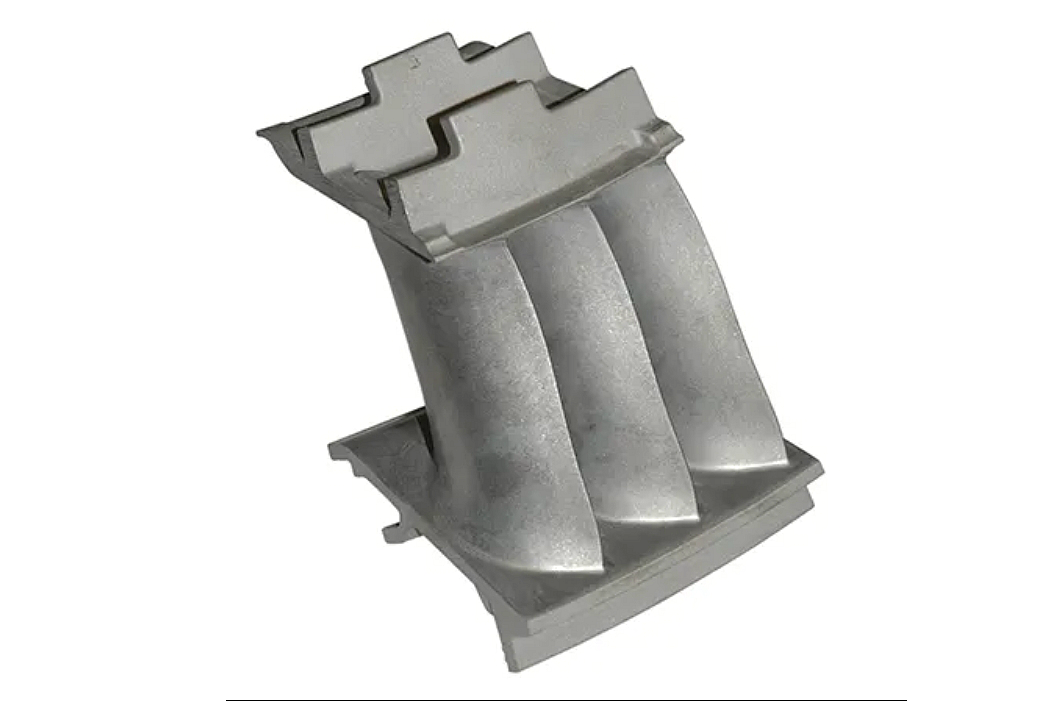
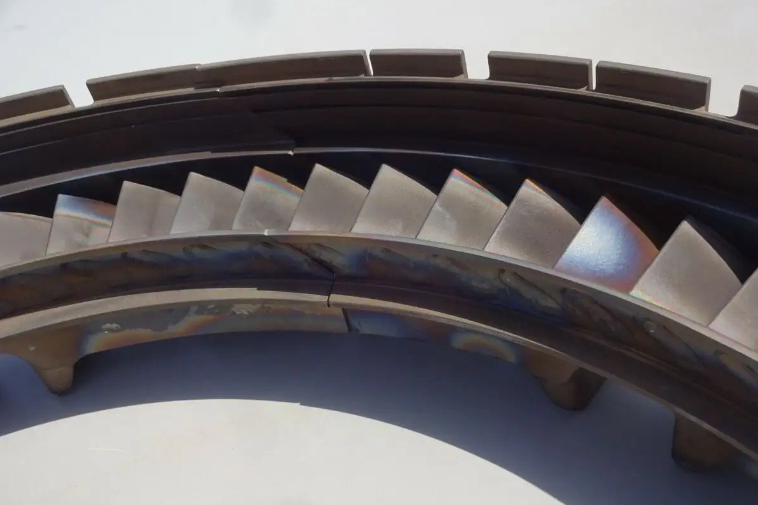
Gas turbine vanes, blades, heat shields, shrouds, and nozzle components
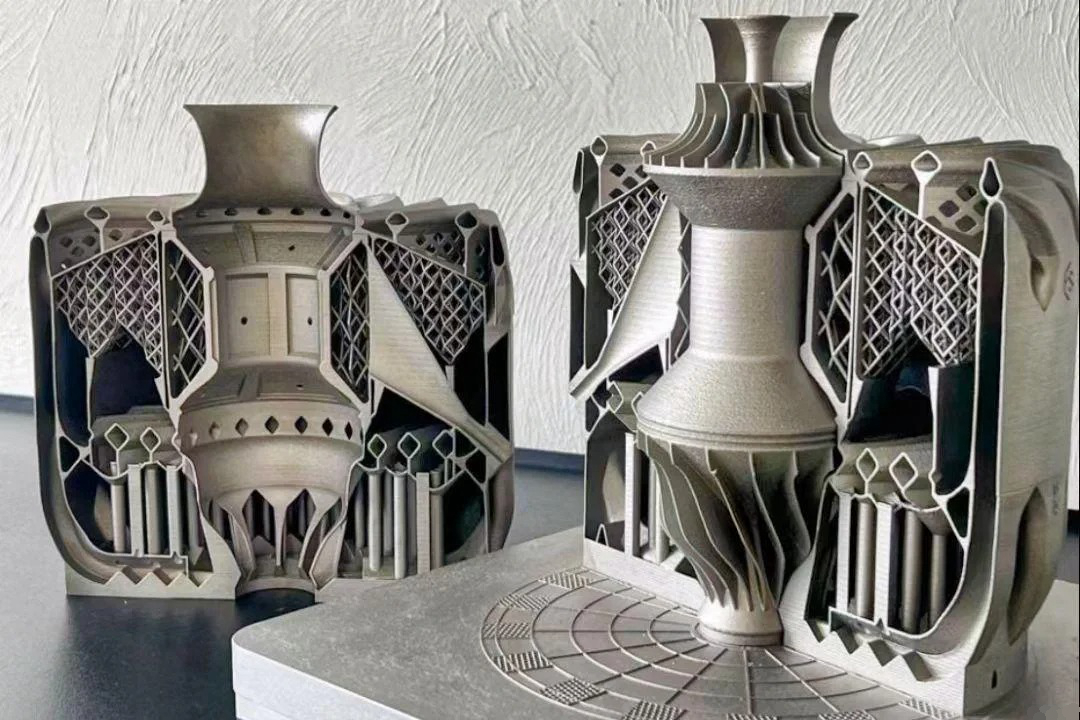
Vacuum cast superalloy parts with complex internal geometry
CNC machined nickel alloy and cobalt alloy components
EDM processed slots, holes, and sharp local features
Heat-treated or coated high-temperature alloy parts
For customers, faster quality checks can support shorter lead times, better supplier qualification, and more reliable delivery planning.
What Does Non-Destructive Testing Check?
Non-destructive testing does not refer to one single method. It is a group of inspection techniques used to detect different types of defects without destroying the part. The correct method depends on the material, geometry, defect type, drawing requirements, and acceptance standard.
For superalloy components, NDT may be used to check:
Surface cracks and open defects
Internal porosity, shrinkage, inclusions, and voids
Material grade and chemical composition consistency
Dimensional accuracy and geometric conformity
EDM surface condition and local feature quality
Coating condition, thickness, and visible defects
Because superalloy parts are used in demanding environments, inspection should not focus only on appearance. A visually acceptable part may still contain internal defects, incorrect chemistry, dimensional deviation, or surface cracks that can affect service performance.
Common NDT Methods for Superalloy Quality Checks
Different non-destructive testing methods are used for different quality risks. For high-temperature alloy parts, the most common inspection methods include visual inspection, FPI, X-ray, CT scanning, spectrometer analysis, and dimensional inspection.
NDT Method | Main Purpose | Typical Superalloy Application |
|---|---|---|
Visual inspection | Check surface condition, damage, coating defects, and handling marks | All cast, machined, EDM, and coated components |
FPI | Detect surface-breaking cracks and open defects | Turbine vanes, heat shields, nozzle parts, machined hot-section components |
X-ray inspection | Detect internal porosity, shrinkage, inclusions, and casting defects | Vacuum cast superalloy parts and complex hot-section components |
CT scanning | Inspect internal geometry, hidden defects, and complex passages | Complex airfoils, internal channels, precision turbine parts |
Spectrometer analysis | Verify alloy grade and chemical composition | Incoming material, castings, heat-treated parts, final material verification |
CMM inspection | Verify dimensional accuracy and geometric tolerances | CNC machined interfaces, datum surfaces, mounting features, airfoil profiles |
Fast NDT for Vacuum Cast Superalloy Parts
Vacuum cast superalloy parts can contain complex features such as airfoils, ribs, platforms, thin walls, internal passages, bosses, and local transitions. These structures are difficult to evaluate by visual inspection alone.
For Vacuum Investment Castings, fast NDT can help identify casting-related defects before the part proceeds to machining, heat treatment, EDM, coating, or final delivery. This is important because defects such as shrinkage, porosity, inclusions, or cracks may become more expensive to resolve later in the process.
In superalloy casting projects, NDT may be applied after casting, after heat treatment, after machining, and before shipment. The inspection plan should match the part’s function, material grade, drawing requirements, and customer acceptance standard.
NDT for Inconel, Hastelloy, Nimonic, and Cobalt Alloys
Different superalloy families require different inspection attention. Nickel-based, cobalt-based, and corrosion-resistant alloys may have similar appearance, but their chemistry, casting behavior, machining response, and service risks can be different.
For Inconel alloy parts, NDT helps verify casting soundness, surface quality, dimensional control, and material consistency for components such as turbine vanes, nozzle guide vanes, heat shields, and high-temperature structural parts.
For Hastelloy alloy parts, inspection often focuses on chemical consistency, corrosion-related application requirements, casting integrity, and final machining accuracy.
For Nimonic alloy components, NDT supports high-temperature alloy verification and inspection planning for turbine and aerospace applications. For cobalt-based materials such as Stellite alloy, inspection may focus on wear-related surfaces, casting quality, chemistry verification, and hot corrosion performance requirements.
Improving Efficiency Before CNC Machining and EDM
Superalloy CNC machining and EDM are costly processes because these materials are hard, heat resistant, and difficult to process. If a casting has internal defects or wrong alloy chemistry, machining it before inspection can waste time and cost.
Fast NDT before machining helps confirm whether the blank is suitable for further processing. This improves efficiency and reduces the risk of finding defects after expensive precision work has already been completed.
For Superalloy CNC Machining, early inspection helps confirm the blank condition, datum quality, material grade, and machining allowance. It also supports better fixture planning and process risk assessment.
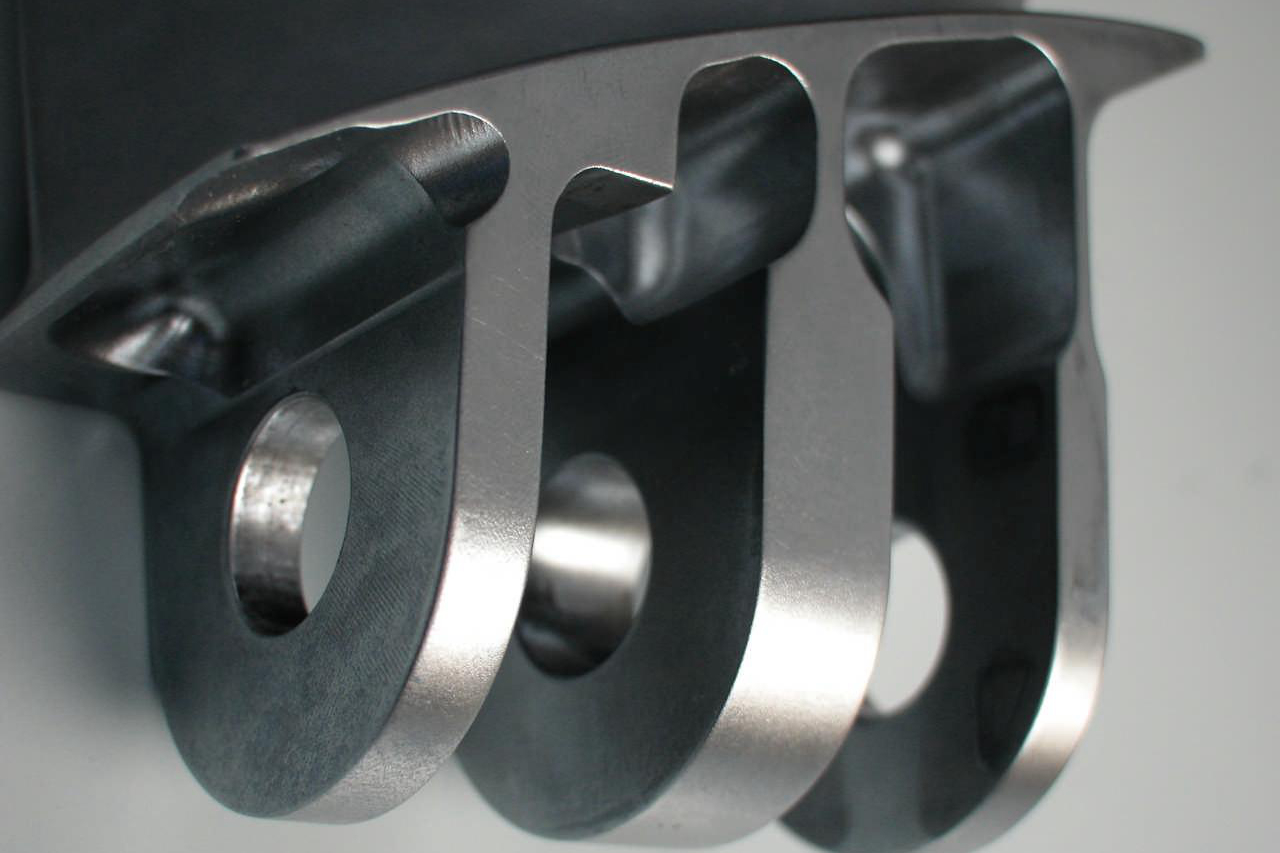
For Superalloy Electrical Discharge Machining EDM, NDT helps confirm that local features such as holes, slots, and sharp boundaries are processed on acceptable material. After EDM, inspection can also check edge quality, surface defects, and dimensional conformity.
Connection Between Fast NDT and Heat Treatment Control
Heat treatment can change superalloy microstructure, strength, hardness, residual stress, and dimensional stability. If the material grade is wrong or the casting contains hidden defects, heat treatment may amplify the problem or make the part unsuitable for downstream processing.
Superalloy Heat Treatment should be supported by suitable inspection before and after thermal processing. Before heat treatment, material verification helps confirm the correct alloy grade. After heat treatment, inspection can help identify distortion, cracking, or surface issues that may affect final machining or coating.
This is especially important for thin-wall turbine parts, airfoils, heat shields, and complex cast components where thermal distortion and cracking risk must be controlled carefully.
Fast NDT for Aerospace and Turbine Components
Aerospace and turbine components require high inspection reliability because they operate under heat, vibration, pressure, and fatigue-sensitive conditions. Fast NDT helps manufacturers check critical quality points without slowing the entire production schedule.
For Aerospace and Aviation components, inspection may include material verification, surface crack detection, internal defect inspection, CMM measurement, and final documentation. These checks support supplier qualification, prototype validation, and production part acceptance.
For gas turbine components, fast NDT is valuable for replacement parts, reverse-engineered components, outage maintenance schedules, and hot-section spare parts programs. If parts must be delivered during a maintenance window, early and efficient inspection helps reduce last-minute quality issues.
How Fast NDT Reduces Production Risk
Fast non-destructive testing reduces production risk by moving quality checks closer to the manufacturing step where the risk occurs. Instead of waiting until final inspection, manufacturers can verify material, casting quality, surface integrity, and dimensional condition throughout the process.
This approach helps reduce:
Wrong material entering production
Defective castings moving into expensive machining
Cracked parts continuing to heat treatment or coating
EDM or CNC defects being discovered too late
Delivery delays caused by final-stage rejection
Customer risk during supplier qualification or incoming inspection
For customers, the benefit is not only better quality. It is also better delivery predictability and clearer documentation.
Inspection Workflow for Superalloy Quality Checks
A practical inspection workflow should be planned according to the part’s manufacturing route. Not every part requires every test, but critical superalloy components should have a logical inspection sequence.
Workflow Stage | Recommended Quality Check | Purpose |
|---|---|---|
Incoming material | Spectrometer analysis, certificate review | Confirm alloy grade and material traceability |
After casting | Visual inspection, FPI, X-ray or CT when required | Check casting soundness before machining |
After heat treatment | Visual inspection, FPI, dimensional check | Identify cracks, distortion, or heat-treatment-related issues |
After CNC machining | CMM inspection, surface inspection | Verify critical dimensions and machined interfaces |
After EDM | Edge inspection, hole or slot measurement, surface review | Control local features, recast layer risk, and edge quality |
Before delivery | Final dimensional report, material records, NDT reports, COC | Support customer acceptance and traceability |
Limitations of Fast Non-Destructive Testing
Fast NDT improves efficiency, but inspection methods must be selected correctly. No single method can detect every type of defect. For example, FPI is useful for surface-breaking cracks but cannot show internal porosity. X-ray can detect many internal defects but may not provide the same dimensional detail as CT scanning. Spectrometer analysis confirms chemistry but does not measure mechanical properties.
Typical limitations include:
Each NDT method detects only certain defect types
Inspection sensitivity depends on geometry, surface condition, and calibration
Small features and complex internal passages may require advanced inspection methods
Material testing does not replace dimensional inspection
Fast inspection must still follow drawing, standard, and customer acceptance requirements
For critical aerospace and turbine components, the best approach is to combine multiple inspection methods according to the risk profile of the part.
RFQ Checklist for Superalloy NDT Inspection
To plan fast and efficient non-destructive testing, customers should define inspection requirements during the RFQ stage. This allows the supplier to estimate cost, lead time, reporting requirements, and inspection feasibility accurately.
A complete RFQ should include:
Required alloy grade and material standard
Part drawing, 3D model, and revision level
Manufacturing route, such as casting, CNC machining, EDM, heat treatment, HIP, or coating
Required NDT methods, such as FPI, X-ray, CT, spectrometer analysis, or CMM inspection
Defect acceptance criteria and applicable inspection standard
Critical surfaces, datum features, holes, slots, airfoils, or internal channels
Whether inspection is required per batch, per casting, or per part
Required report format, certificate, and traceability documentation
Quantity, delivery schedule, and customer approval requirements
Conclusion
Fast and non-destructive testing improves efficiency in superalloy component quality checks by identifying material, casting, surface, internal, and dimensional risks without damaging the part. For high-value aerospace, gas turbine, and industrial components, early inspection helps reduce scrap, prevent late-stage rejection, and improve delivery predictability.
Superalloy parts often require multiple inspection methods because chemistry, casting integrity, machining accuracy, EDM quality, heat treatment stability, and final documentation all affect service reliability. A well-planned NDT workflow allows manufacturers to control these risks at the correct process stage.
NewayAeroTech supports fast non-destructive testing and quality control for custom superalloy components. Please provide the alloy grade, drawing, 3D model, manufacturing route, required NDT method, defect acceptance criteria, quantity, and documentation requirements so our engineering team can plan the most suitable inspection route.