
Fabricación de Carcasas de Bomba en Superaleación Monel 400 por Mecanizado CNC
Introducción
El mecanizado CNC de Monel 400 es esencial para producir carcasas de bombas y alojamientos para manejo de fluidos resistentes a la corrosión, utilizados en aplicaciones industriales exigentes. En Neway AeroTech, nos especializamos en el mecanizado de piezas fundidas en Monel 400 para procesamiento químico, sistemas marinos y aplicaciones energéticas que requieren una resistencia excepcional a ambientes ricos en cloruros y ácidos.
Monel 400 es una aleación níquel-cobre de solución sólida con excelente resistencia a la corrosión en agua de mar, ácido fluorhídrico y soluciones cáusticas. Combinado con mecanizado CNC de precisión, garantiza tolerancias ajustadas, rendimiento hermético y fiabilidad dimensional en componentes críticos de carcasas de bombas.
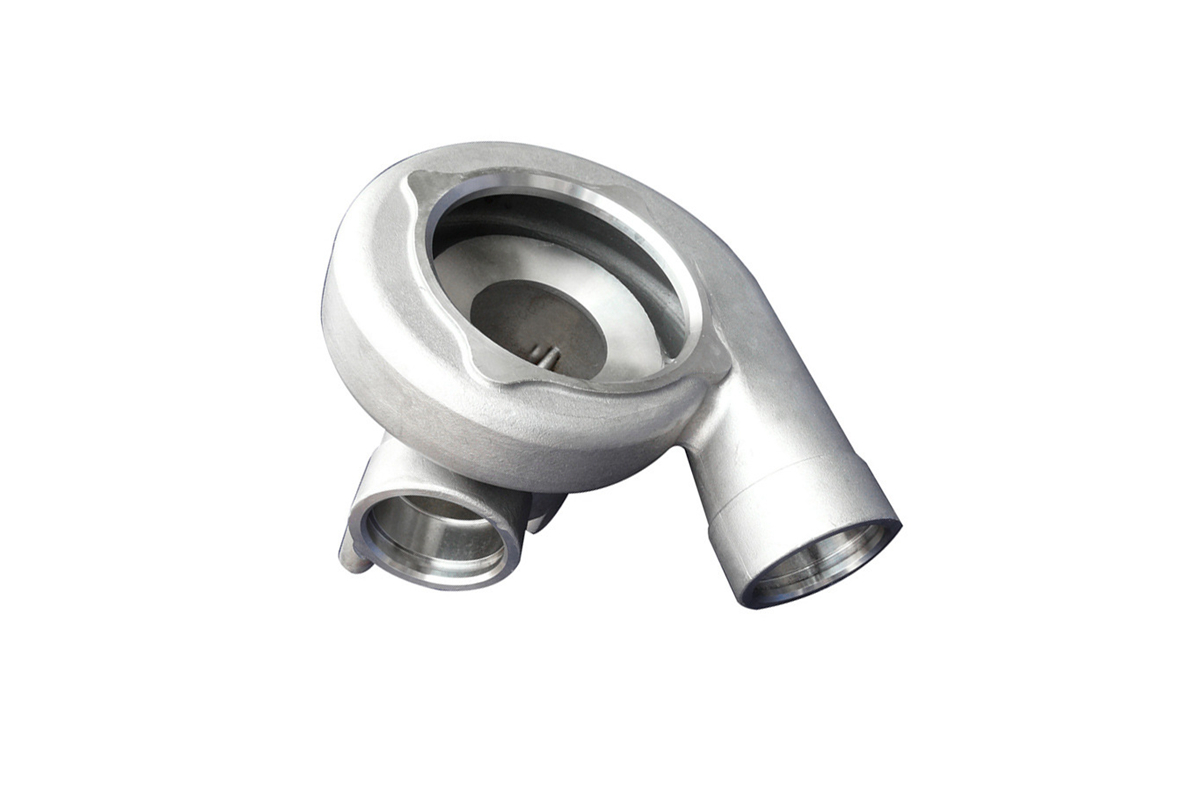
Tecnología Central del Mecanizado de Carcasas de Bomba en Monel 400
Validación de la Fundición: Las piezas en bruto de Monel 400 se verifican para integridad superficial y consistencia dimensional mediante inspección por rayos X antes del mecanizado.
Mecanizado CNC de 5 Ejes: Las geometrías complejas de las carcasas de bomba, incluyendo volutas, alojamientos de carcasa partida y superficies de brida, se mecanizan con una precisión de ±0,02 mm utilizando centros CNC avanzados.
Sujeción Personalizada: Los dispositivos de sujeción a medida garantizan un apriete rígido de las piezas fundidas asimétricas, manteniendo la alineación durante todo el proceso de mecanizado.
Acabado de Cavidades Internas: Herramientas especializadas y mecanizado guiado por palpador permiten el acabado de pasajes de flujo curvos e interiores de volutas con Ra ≤ 1,6 µm.
Preparación de Superficies de Sellado y Brida: Las caras de sellado críticas y las interfaces de pernos se terminan con tolerancias de planitud y paralelismo dentro de 0,01 mm.
Alivio de Tensiones y Limpieza: El tratamiento térmico posterior al mecanizado y la limpieza ultrasónica reducen la tensión residual y preparan las piezas para el montaje o el recubrimiento.
Inspección CMM: Verificación final de círculos de pernos, alojamientos de ejes y líneas de unión utilizando una máquina de medición por coordenadas (CMM).
Características del Material Monel 400
Propiedad | Valor |
|---|---|
Composición | ~67% Ni, ~30% Cu |
Resistencia a la Corrosión | Excelente en agua de mar, ácidos, álcalis |
Límite Elástico | ≥170 MPa |
Resistencia Máxima a la Tracción | 480–620 MPa |
Alargamiento | ≥30% |
Mecanizabilidad | Moderada (aleación que se endurece por trabajo) |
Temperatura de Operación | Hasta 550°C |
Estudio de Caso: Carcasa de Bomba en Monel 400 Mecanizada por CNC para Transferencia de Fluidos Ricos en Cloruros
Antecedentes del Proyecto
Una planta química marina requirió carcasas de bomba de Monel 400 de alta precisión para la circulación de fluidos ácidos y salinos bajo presión. Las carcasas de bomba necesitaban mantener la forma y la precisión del sellado después de una exposición prolongada a fluidos cargados de cloruros y cargas de presión cíclicas.
Aplicaciones Típicas de las Carcasas de Bomba en Monel 400
Bombas de Circulación de Agua de Mar: Carcasas de Monel 400 utilizadas en sistemas de toma y transferencia de agua de mar de alto volumen en plataformas mar adentro y plantas de desalinización.
Bombas de Proceso Químico: Resistentes a ácidos sulfúrico, fluorhídrico y clorhídrico, ideales para circuitos de circulación en refinerías y plantas de fertilizantes.
Sistemas de Enfriamiento Nuclear: Alojamientos resistentes a la corrosión para el flujo de salmuera o agua borada en sistemas de enfriamiento auxiliares.
Bombas de Lubricación para Propulsión Marina: Las carcasas de bomba en Monel garantizan un flujo de aceite constante y protección contra la corrosión en sistemas a bordo de barcos expuestos a humedad y vibración.
Flujo de Trabajo de Fabricación
Evaluación de Fundición y Premecanizado: Carcasas de Monel 400 fundidas a la cera perdida o en arena, inspeccionadas para inclusiones y consistencia dimensional mediante rayos X y calibres manuales.
Diseño y Configuración de Dispositivos de Sujeción: Se desarrollan dispositivos de sujeción personalizados para asegurar formas complejas sin distorsionar las superficies de sellado durante el mecanizado.
Mecanizado de Desbaste y Acabado: Se utilizan herramientas de carburo de alta velocidad para mecanizar cavidades internas, puertos de entrada y salida, y superficies de juntas con tolerancias ajustadas.
Mecanizado de Características Críticas: El alojamiento del eje, los asientos de rodamientos y las bridas se terminan en una única configuración para minimizar la desalineación.
Acabado Superficial: Las superficies de flujo y las ranuras para juntas tóricas se terminan a Ra ≤ 1,6 µm para reducir la resistencia al flujo y mejorar la retención del sello.
Inspección y Validación: Las dimensiones finales se confirman con inspección CMM; se verifican roscas, alojamientos y áreas de sellado para cumplir con las especificaciones del cliente.
Resultados y Validación
Precisión Dimensional: El diámetro del círculo de pernos, la planitud de la brida y la alineación del alojamiento se mantuvieron dentro de ±0,02 mm en todas las piezas.
Acabado Superficial: Las superficies de la trayectoria de flujo cumplieron con el objetivo de Ra ≤ 1,6 µm, verificado con lecturas de perfilómetro.
Resistencia a la Corrosión: Pruebas de niebla salina e inmersión en ácido de 1000 horas confirmaron que no hubo picaduras o degradación estructural.
Integridad Mecánica: Las carcasas mantuvieron la estabilidad dimensional después de ciclos térmicos y pruebas de presión hidrostática a 25 bar.
Preparación para el Montaje: Todas las piezas se entregaron sin rebabas, verificadas contra fugas y listas para el montaje de la bomba sin retrabajo secundario.
Preguntas Frecuentes
¿Por qué se prefiere el Monel 400 para carcasas de bomba en entornos marinos y químicos?
¿Cómo garantiza Neway AeroTech tolerancias ajustadas en piezas fundidas irregulares de Monel?
¿Se pueden modificar o adaptar las carcasas de bomba de Monel 400 a estándares de montaje personalizados?
¿Qué niveles de acabado superficial se requieren para superficies críticas de sellado y flujo?
¿Ofrece Neway AeroTech prototipado y mecanizado de bajo volumen para componentes especiales de bombas en Monel?
