¿Qué industrias se benefician más del uso de aleaciones de titanio revestidas por láser?
Aeroespacial y Aviación
La industria aeroespacial y de aviación es la principal beneficiaria de las aleaciones de titanio revestidas por láser. Componentes como palas de turbina, discos de compresor, trenes de aterrizaje y estructuras del fuselaje se reparan o mejoran mediante el revestimiento por láser con aleaciones de titanio como Ti-6Al-4V. El proceso restaura las secciones desgastadas o dañadas con una entrada de calor mínima, preservando la microestructura del material base. El revestimiento por láser también aplica recubrimientos resistentes al desgaste en los bordes de ataque y las superficies de sellado, extendiendo significativamente la vida útil de los componentes mientras reduce el peso, un factor crítico en el rendimiento de la aeronave y la eficiencia del combustible.
Fabricación de Dispositivos Médicos e Implantes
La industria médica utiliza ampliamente las aleaciones de titanio revestidas por láser para implantes ortopédicos y dentales, instrumentos quirúrgicos y dispositivos protésicos. La biocompatibilidad del titanio, combinada con la precisión del revestimiento por láser, permite la creación de estructuras de superficie porosas que promueven la osteointegración (crecimiento óseo en el implante). Los implantes personalizados pueden adaptarse a la anatomía específica del paciente con geometrías complejas que son imposibles de lograr mediante mecanizado tradicional. El proceso también repara herramientas quirúrgicas costosas y aplica recubrimientos biocompatibles a las superficies de los implantes, asegurando un rendimiento a largo plazo en el cuerpo humano.
Equipos de Petróleo y Gas
La industria del petróleo y el gas se beneficia de las aleaciones de titanio revestidas por láser para componentes expuestos a entornos corrosivos, como herramientas de fondo de pozo, válvulas, bombas y componentes de árboles de Navidad. La resistencia del titanio al gas agrio (H₂S), al agrietamiento por corrosión bajo tensión inducido por cloruros y a la corrosión por agua de mar lo hace ideal para aplicaciones marinas y submarinas. El revestimiento por láser repara áreas desgastadas en componentes costosos y aplica capas resistentes a la corrosión sobre sustratos de acero al carbono, proporcionando la resistencia a la corrosión del titanio sin el costo de una construcción de titanio macizo.
Ingeniería Marina y Offshore
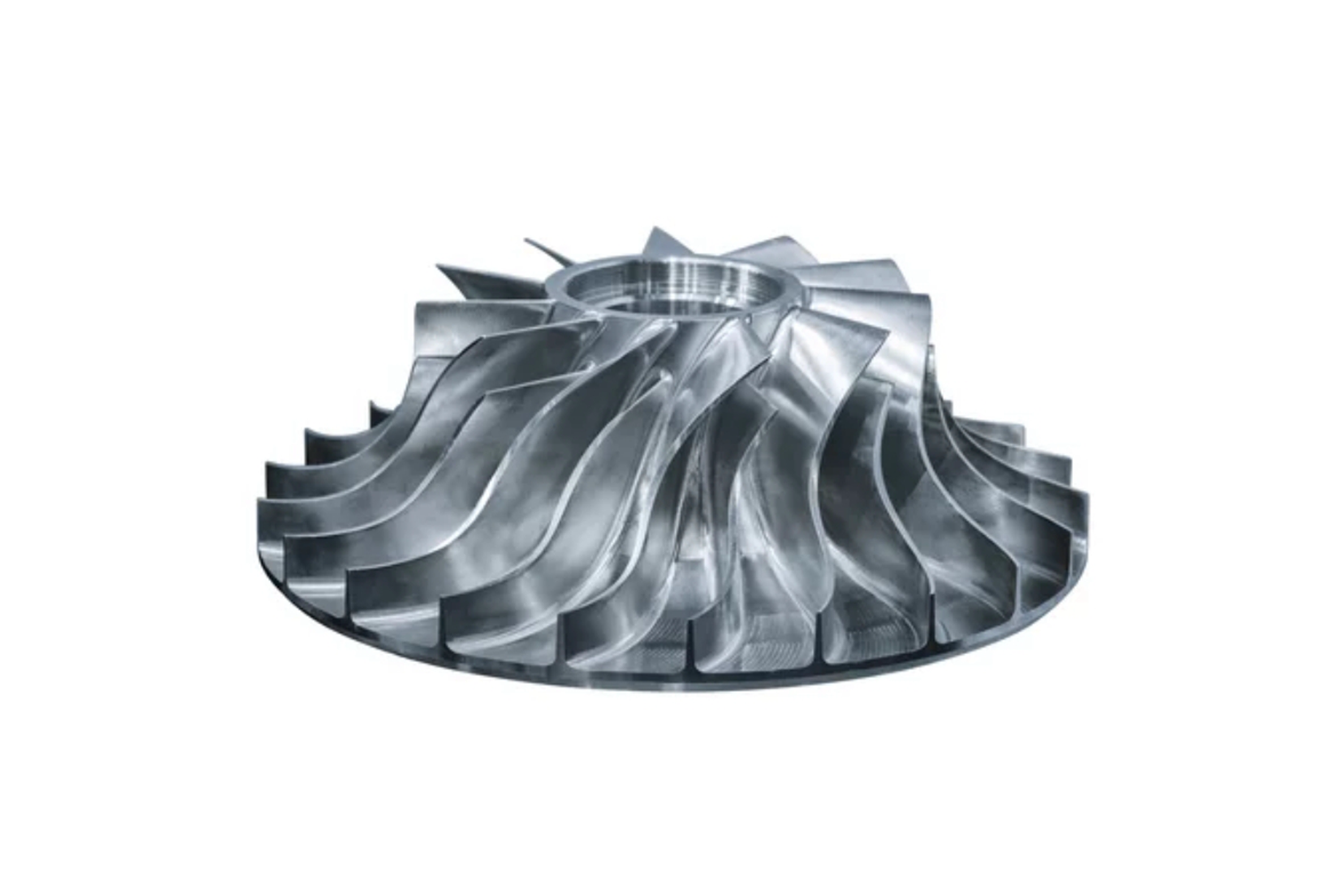
Las aplicaciones marinas aprovechan las aleaciones de titanio revestidas por láser para ejes de hélice, componentes del timón, intercambiadores de calor y sistemas de tuberías de agua de mar. La excepcional resistencia de la aleación a la corrosión por agua salada y a la erosión por cavitación extiende significativamente la vida útil de los componentes en entornos marinos agresivos. El revestimiento por láser repara el daño por cavitación en las palas de la hélice y crea superficies resistentes a la erosión en los impulsores de las bombas, reduciendo los costos de mantenimiento y el tiempo de inactividad de los buques y plataformas offshore.
Automoción de Alto Rendimiento y Competición
La industria automotriz, particularmente los deportes de motor y los sectores de alto rendimiento, utiliza aleaciones de titanio revestidas por láser para válvulas de motor, bielas, sistemas de escape y componentes de suspensión. El proceso repara componentes de competición desgastados y aplica recubrimientos resistentes al desgaste a las superficies de fricción. La alta relación resistencia-peso del titanio mejora el rendimiento mediante la reducción de peso mientras mantiene la integridad estructural en condiciones extremas. El revestimiento por láser permite la reparación y modificación rápida de componentes de competición personalizados cuyo reemplazo sería prohibitivamente costoso.
Industria de Procesamiento Químico
El sector de procesamiento químico utiliza titanio revestido por láser para reactores, intercambiadores de calor, tuberías y válvulas que manejan medios corrosivos. La resistencia del titanio a los ácidos, cloruros y otros productos químicos agresivos lo hace valioso en las instalaciones de producción química. El revestimiento por láser repara áreas corroídas y aplica recubrimientos de titanio a sustratos menos costosos, proporcionando protección contra la corrosión donde la construcción de titanio macizo sería económicamente poco práctica.
Resumen de Beneficios por Industria
Industria | Beneficios Principales | Aplicaciones Típicas | Aleaciones de Titanio Clave |
|---|---|---|---|
Aeroespacial | Reducción de peso, resistencia a la corrosión, rendimiento a alta temperatura | Palas de turbina, componentes del fuselaje, tren de aterrizaje | Ti-6Al-4V, Ti-6Al-2Sn-4Zr-2Mo |
Médica | Biocompatibilidad, osteointegración, fabricación de precisión | Implantes, herramientas quirúrgicas, prótesis | Ti-6Al-4V ELI, Titanio CP |
Petróleo y Gas | Resistencia a la corrosión en servicio agrio, protección contra la erosión | Herramientas de fondo de pozo, válvulas, equipos submarinos | Ti-6Al-4V, Ti-3Al-2.5V |
Marina | Resistencia a la corrosión por agua salada, resistencia a la erosión por cavitación | Hélices, ejes, sistemas de agua de mar | Ti-6Al-4V, Ti-6Al-2Sn-4Zr-6Mo |
Automotriz | Reducción de peso, alta resistencia, resistencia al desgaste | Componentes del tren de válvulas, sistemas de escape, suspensión | Ti-6Al-4V, Ti-10V-2Fe-3Al |
Procesamiento Químico | Resistencia a la corrosión por ácidos y cloruros | Reactores, intercambiadores de calor, tuberías | Ti-0.2Pd, Ti-6Al-4V |